E0c69374 c9e9 4459 bdcf 3304db21562a 1200x500

At the Lord's Day, the Arab Hair House gathers Ahmed Bakhit with his loved ones.

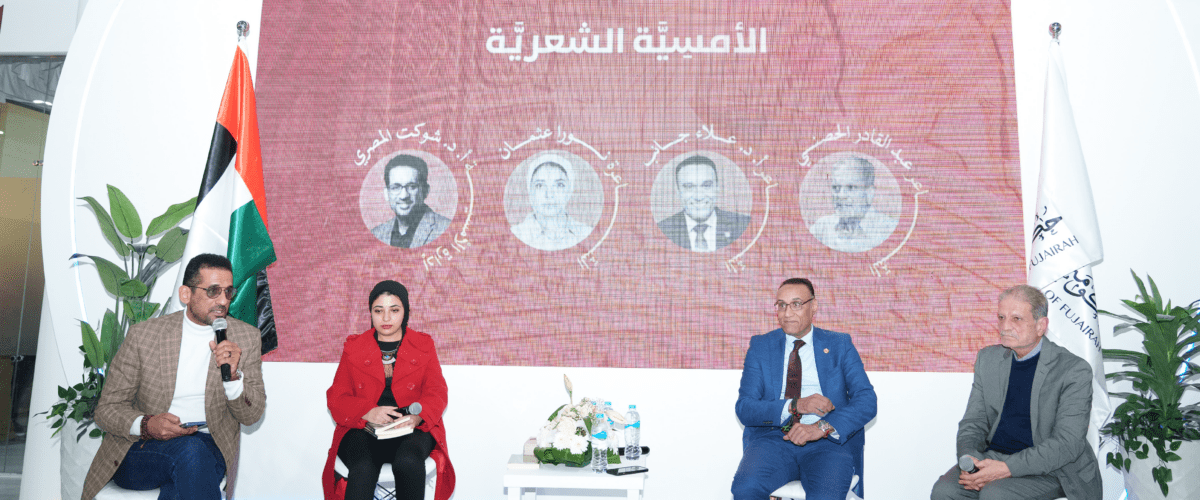
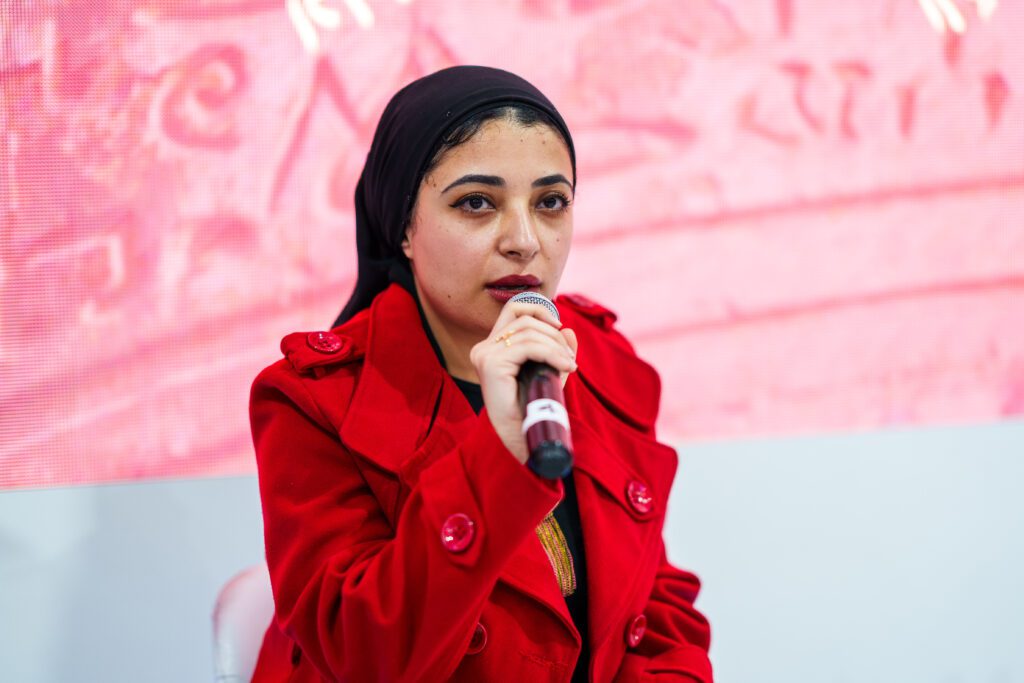
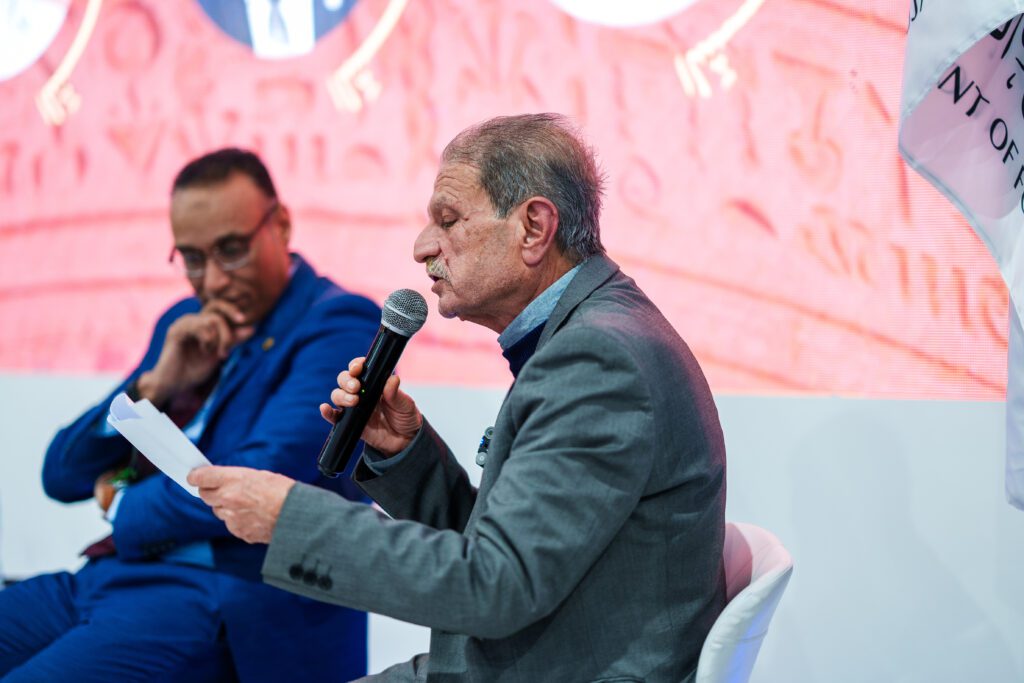
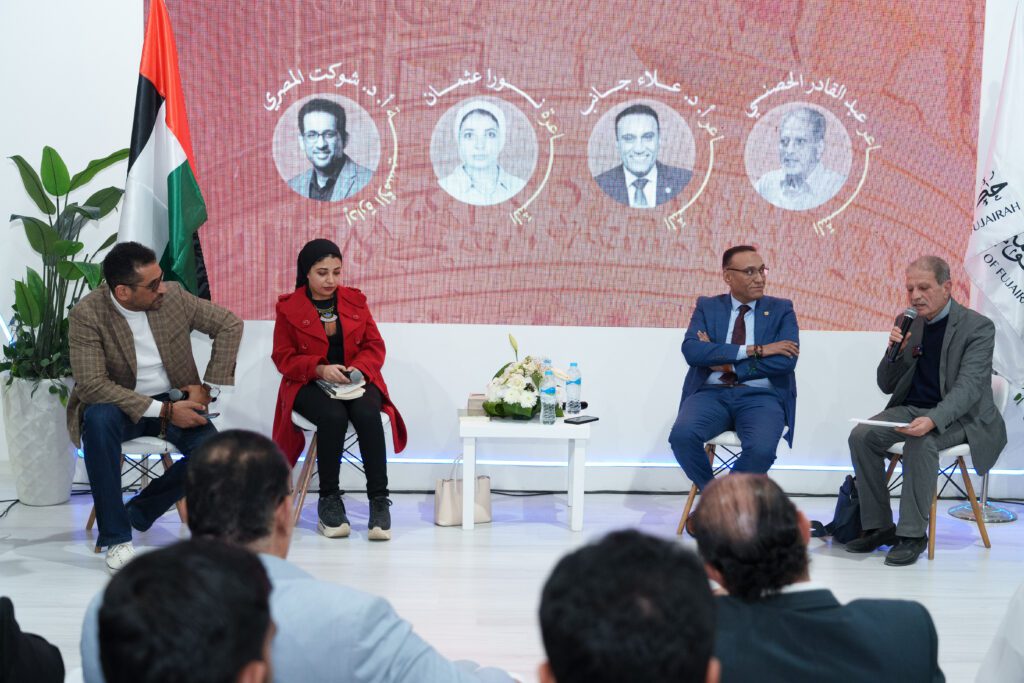
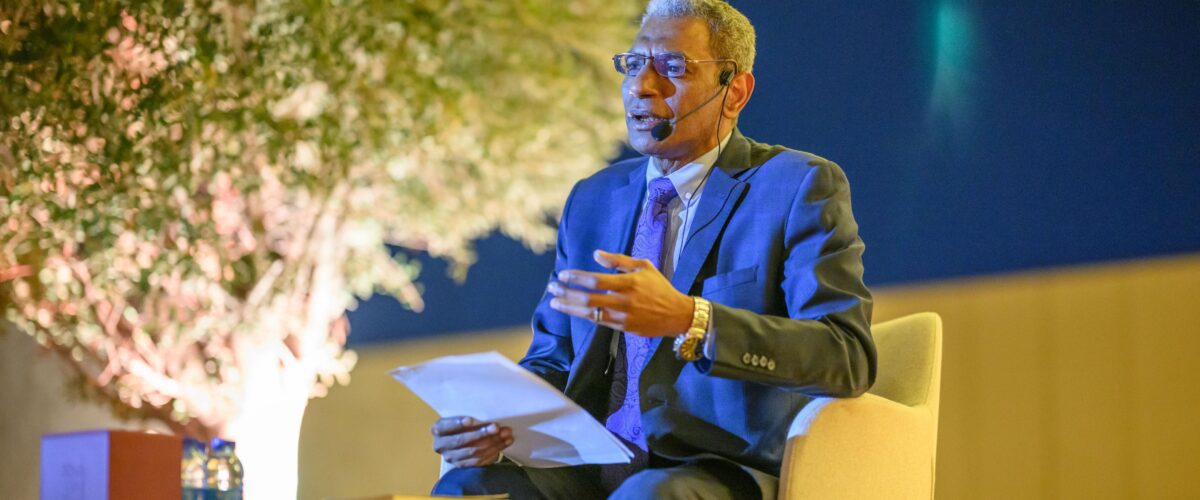
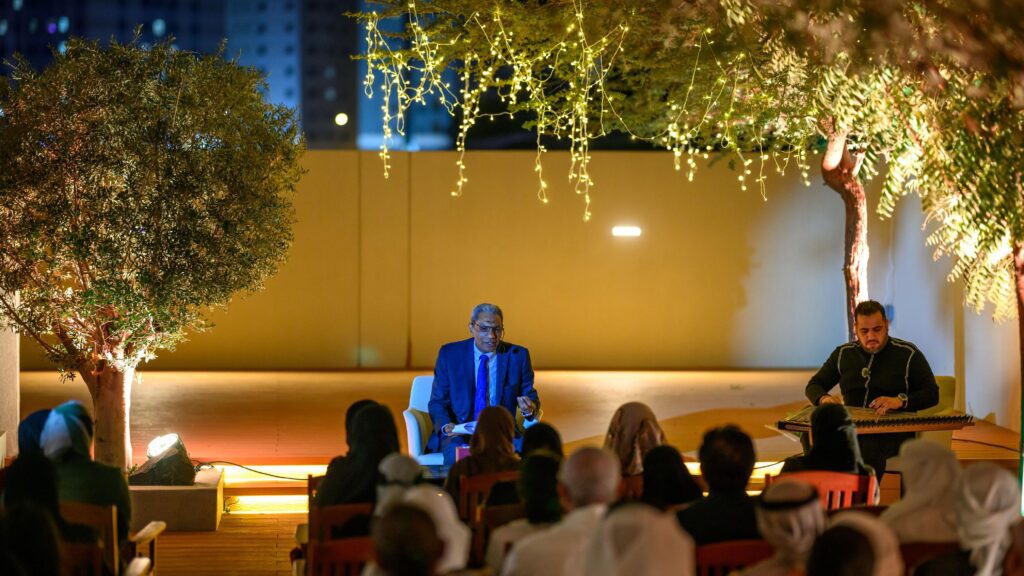
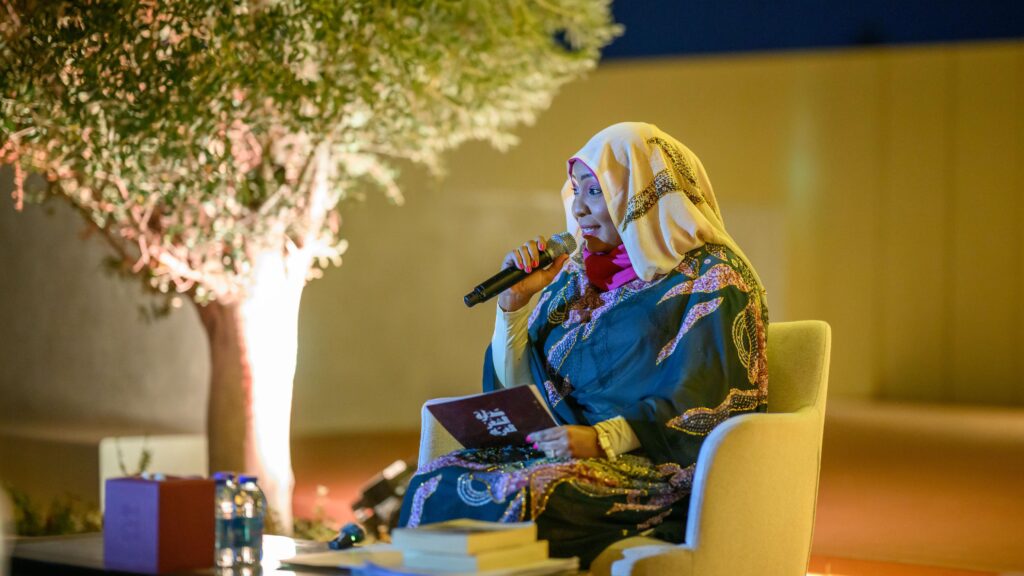
Last night, the Arab Hair House hosted the new year ' s great Egyptian poet Ahmed Bakhit, who was moderated by the Sudanese poet Abettar.

The evening was attended by a educators, poets, writers and lovers of Arab poets, who came from the various states of the State to Al-Fagira, to receive their own poetry, and to have his signature on the Diwani of Sayt May and Shaqqa.

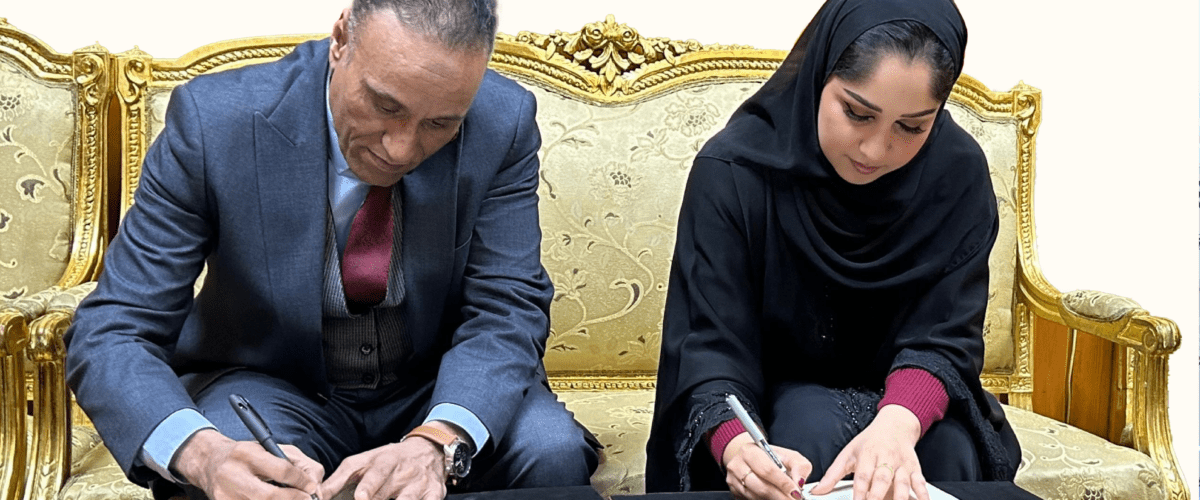
Attended to a group of poets Ahmad Bekhit, the signing of the law machine music was enjoyed by the artist Omar Zayad.


6cce3b55 1349 4ee8 ba3d 2896255f7b12 1024x576
60dccf45 767b 4d63 848f bb7e88038072 1024x576
حجم صورة كفر الصور مال الموقع 03 1200x500

Clothe poems, scissors, deletions and buildings! | Hani Nadem

WhatsApp Image 2025 01 30 at 13 52 15 abc62e36

Hani Nadem

A poet and a Syrian writer.

I was supposed to be at the Paris National Library looking for a manuscript. othèque nationale de France."
The presentation was for a map designer named Cissy Lupé, which inspired the technical partnership between the Ukrainian artist Sonia Dillonai and the famous Roman poet Tristan Tazara, and even stepped on their path, with the development of tools, where the elements were merged, produced dresses from paper, tower, poems, drawings and fabrics from crying napkins and hairs thrown under the windows.

Screenshot 2025 01 30 151028

Sonia Dilloni design dress with Tazara texts.

In modern times, this relationship between Daloni and Tazara may be the first obvious and systematicly explained beauty engagement between fashion and poetry, and the most representative situation in the employment of inter-science and close science in the service of poetry, or in the service of each other.
Dilloni identified to Tazara at the Paris Patriarchal Centre between the two world wars and became friends, bringing together the great ambition to move away from their generation technically and to produce progressive forms of art outside the language boundary. They introduced theatre, costumes, formation and hair even by borrowing from nearby arts, at a time of intellectual revolutions and gifted names.
The horror of his broad and seasonal songs, classified as one of the great linguas in modern European poetry, his mastery of many languages, his research and his constant obesity in a new language and chorus, making his hair out of logic and language, as well as his role as a singer and architects, in partnership with the prosperous and theatres.

Lead and crazy Sonya.

Screenshot 2025 01 30 151055

Sonia Dilloni (14 November 1885 - 5 December 1979) was a French artist born in the Russian Empire, Ukraine, who learned art in Russia and Germany before she moved to France and expanded its practice to include the design of textiles, costumes and decorations, when she arrived in Paris, she joined the art academy in Monbarnas, but she didn ' t turn around with the hard work of teaching. She was also the first living artist to set up a regular exhibition at the Louvre Museum in 1964.
Sonia developed new fabric formulations and translated non-substantive surface paintings into three-dimensional uniforms driven by subjects, and its dresses, hats and shoes earned special huge sales from the wives of the professors of the Bauhuahos school, raising the value of their work and placing them on the fashion map, but poetry.

Screenshot 2025 01 30 151119
Screenshot 2025 01 30 151145

The friend of Delunai, the poet and the famous artistic critic, Giom Apolliner, drafted the Orphenian term to describe the Dilloni version of the metaphor in 1913. The famous Cinders poem La prose du Transsibérien et de la Petite Jehanne de France, which revolved around a road trip across Siberia, made the text in an admirable book of two-metre hordes.
In 1923, Estonia invented 50 designs of fabric using engineering forms and bold colours, commissioned by a manufacturer in Lyon; shortly thereafter, it began its own work and became simultané with its registered brand name, and its name (obligation) briefly explains its project, after which Bhutik opened up the name of the mark that became for the great intellectuals and their wives, La Poutique Pincigard.

Tazara... Vision and course partnership

Screenshot 2025 01 30 151218

In the same year, 1923, Paris was preparing for the show of the terrifying poet Tristan Tazara Le Cayur à Gaz. Sonia has designed the Sinogravia and the costumes of representatives.
He began to write short poems that appeared to be liberated on dresses and crews designed and coloured by Sonya, and created shock and glow in literary and artistic circles together, so Le Figaro wrote, "It's a costume that worships its wool, because it's the whole textual, colour and meaning, who would wear it?"
A gas heart or a gas heart, a play written by a French tuzaar in the form of a series of unconnected events and a stereotypical simulation of classical drama, in which I felt in Paleh, scripts and formation, one of the most popular plays inspired by the anti-determinational trend, was first presented in Paris, as part of the Artist Sullon Dazzar in 1921.

Screen shot 2025 01 30 151252

A dress from the play show - the design of Sonia Delunai

The United States literary, David Graver, described the text as the greatest trick of three chapters in the century, crushing the elements of the traditional theatre that he uses so precisely that a few gestures or observations cohesive in any order that can be identified, these manifestations of dada at best reduce the stage to some kind of white voice.
It's the play of her body actresses, eye, mouth, ear, hand, chaotic but hairy.
"No one knows me."
I'm alone here in my closet and the mirror is empty when I look at myself.
The void drinks the vacuum and the air is born with blue eyes, which is why the aspirin swallows endlessly."
Tristan Tazara gave himself a glorious view of the sarcastic and subversive intent, and after the presentation, he said, "I beg critics and writers to treat this play as if they were treating a masterpiece like Macbeth, but treating the unabsolved author with no respect."

Like arts, hair's out of paper.
With the emergence of dictatorships, the world was flaunting with the destruction of barns, cooperation between the great poet, Andre Bowen and Tazara began in the late 20s and then turned into a conflict after 1921. It was reported that the Brighton objected to the Tazara style of performance, the Dada journey to San Julian Lou Buffer and other views and positions.
The first collision took place in March 1922, when the Bretton called for a conference to renew and defend the spirit of modernity and to mobilize eminent personalities associated with modern movements, then visiting the Conference to be proud of it while the Bretton used the conference as a platform to attack Tazara.
In response, Tazara issued the technical statement "the crooked heart", which was also signed by, among others, Marcel Duchamp, Jean Kukoto, Paul Elwar, Hans Arp, Cecil Suvaj, and others.

Screenshot 2025 01 30 151324

Paris educators who broke up between Syrialia and Duadiah and beyond appear in the back row of the left: Paul Elwar, Jean Abb, Ivanguy, René Karville, and in the left front: Tristan Tazara, André Proton, Salvador Dale, Max Arnt, Man Ray, Paris, 1933.
The statement was a mixture of predatory and anti-Belgian movement. The play show for the first time included music, formation, poetry, theatre and dance, together. The films were displayed inside the show and theatre in the theatre. The music was for George Oric, Darius Milhaod and Igor Stravinsky, and films were shown in addition to Ryan, Charles Schiller and Hansbonnez.
Maybe it's from here, from this experimental work, you're starting to pick up costumes and explain poetry, and talking the rest.

Screenshot 2025 01 30 151348
The size of the photo cavity. Location money.

Baby hair. | Dr. Al-Dawy Muhammad al-Dawwi

WhatsApp Image 2025 01 30 at 13 52 15 0e2e2c86

Dr. Al-Dawy Muhammad al-Dawwi

Egyptian poet and academic

The first thing we think about is the songs that we sing for children in our different Arab environments (only the song comes out of hair) we sing for them and they forget about it, and if they don't know what it means, they forget about it, and so we can find all the sound we want for them when they're old, the popular songs, or the fantasies.
In response to this question, we must point out that poetry derives from what it is, according to the French architecture, John Quinn - from the fact that he crosses the daily words, at two levels: voice and meaning, on the one hand, poetry includes a certain rhythm system (the poetic weights) which does not have this system for daily concussions (which represent the initial or standard level of language), and from the point of view of poetry. These are also not available for daily talk.
This makes the core function of the poetry language a beauty function that focuses first on the structure of the text itself, rather than on its cognitive performance, which is the purpose of the language at its initial level (day dialogues).
If we move into a special form of poetry, which is presented to children, the recipient (child) of the recipient (the adult human) must redefine what hair and its role.
On the one hand, children ' s hair is not kept in the same sense, so there is no difference between adult hair and child hair at the sound level, with the child ' s rhythms being glorified if it is presented to children (with the frequency of the use of child hair and the simple and emotional patterns that are fit for children, such as rhythm.
On the one hand, poetry: while hair generally plays a beautiful role, children ' s hair has to play a dual role, both beautiful and cognitive, because adult hair is directed at a person who does not change knowledge in poetic texts, to the extent that it does not want to be aesthetic, but the child is begging to transfer knowledge to him with a variety of haircuts.
Children ' s poetry, as well as aesthetic construction, must go from its content towards a knowledgeable purpose, and the knowledge content may override the aesthetic performance, bearing in mind that poetic formulation does not fall to the news level of the daily word language, and is not merely to complete with the aesthetic function in a way that ignores the knowledge and educational dimension of child-oriented hair.
Thus, the knowledge or educational content of children ' s hair, including the definition of the world in its various affairs and components, is unknown to the child and its knowledge adds to new information and awareness dimensions, such as the definition of the surrounding nature, emotions and others, and the details of simple and spectacular life, but all of this must be a masculine beauty that transforms all of these knowledge into abularities.
والشاعر إذ يكتب شعرًا للأطفال يجب وفقًا لتلك الغاية المعرفية أن يستحضر مجموعة من الأهداف يرجو أن يحققها نصه –بعضها أو كلها- منها ما يعمق صلة الطفل بمادة تكوين الأدب وهي اللغة، كإثراء حصيلته اللغوية من المفردات والتراكيب وإكسابه مهارات لغوية جديدة، ومن تلك الأهداف ما يعمق قدراته الذهنية والنفسية العامة، كتنمية قدرته على التخيل وعلى الحفظ، بالإضافة إلى تحفيز عواطفه المختلفة، وتخفيف التوترات النفسية، وإمداده بالمعلومات المتنوعة، والقيم النافعة والمقبولة مجتمعيًا من خلال بثها عبر النصوص الشعرية المقدمة له، كذلك توطيد صلة الطفل بالأدب بوصفه منتجًا جماليًّا، مما يرغِّب الطفل نفسيًّا في الجمال وتذوُّقه، فيصبح هذا أصيلًا في تكوينه النفسي والمعرفي (كامل علي: مدى تحقيق أدب الأطفال المتضمن في كتب لغتنا العربية للصفوف الأساسية الثلاثة الأولى في الأردن لأهداف هذا الأدب، بحث منشور بمجلة بحوث التربية النوعية- جامعة المنصورة- مصر، عدد (31) يوليو 2013م، ص80).

وإذا جئنا إلى الحديث عن تاريخ شعر الأطفال في الأدب العربي، فشعر الأطفال حديث نسبيًا في أدبنا، استقاه الشعراء العرب في القرن التاسع عشر من مطالعتهم للآداب الأوروبية خاصة كتاب (حكايات لافوتين) الذي ألفه الشاعر الفرنسي جان دي لافونتين.
فمن الطلائع الأولى لشعراء الأطفال العرب في مصر محمد عثمان جلال (1828-1898) وإبراهيم العرب (1863-1927)، وأحمد شوقي (1868-1932) ومحمد الهراوي (1885 – 1939) وفي الأقطار العربية الأخرى الشاعر العراقي معروف الرصافي (1877– 1945) والشاعر اللبناني جبران النحاس (1882-1954) وغيرهم.
فقد صدر لمحمد عثمان جلال (وهو الأسبق تاريخيًا)(6) كتاب (العيون اليواقظ في الأمثال والمواعظ) وهو ترجمة لمقطوعات شعرية لحكايات لافونتين، وقد قررت نظارة المعارف المصرية كتاب (العيون اليواقظ) على الناشئة في المدارس عام 1894م، كما قررت نظارة المعارف لإبراهيم عرب كتابه (آداب العرب) عام 1911، وهو كتاب يضم مقطوعات وأقاصيص وحكايات ومواعظ من الشعر للأطفال، وقد أصدر شوقي عام 1898 الطبعة الأولى من ديوانه الشوقيات متضمنًا عددًا من المقطوعات الشعرية الموجهة للأطفال متأثرا أيضًا بحكايات لافونتين الشعرية على لسان الحيوانات (أحمد نجيب: من بحث بعنوان “ريادة شعر الأطفال بين شوقي والهراوي” منشور في كتاب لمجموعة من المؤلفين بعنوان “حول شعر الأطفال”، الهيئة المصرية للكتاب، القاهرة 1989م، ص83 وما بعدها).
كما صدر لمحمد الهراوي –وهو أجودهم وأنضجهم شعرًا للأطفال- سلسلة «سمير الطفل» للبنين والبنات من منشورات لجنة التأليف والترجمة والنشر بمصر. والتي منها سمير الطفل للبنين، في ثلاثة أجزاء، وسمير الطفل للبنات في ثلاثة أجزاء، عام 1923. كذلك له كتاب في أغاني الأطفال مزود بالعلامات الموسيقية والصور الملونة بعنوان: «شمس الضحى» – صدر بالقاهرة عام 1938. كما راحت جماعة أبولو الأدبية في مصر تنشر في مجلتها الأدبية (التي صدرت بين عامي 1932 و1934) تحت باب “شعر الأطفال” قصائد لشعراء منهم الصاوي محمد شعلان وبركة محمد وعلي عبد العظيم وكامل كيلاني (هادي نعمان الهيتي: السابق، ص212).
ومن الشعراء العرب الذين كتبوا شعرًا للأطفال الشاعر العراقي معروف الرصافي (1877– 1945) الذي صدر ديوانه عام 1910م متضمنًا عددًا من القصائد الموجَّهة للأطفال، والشاعر اللبناني جبران النحاس (1882 -1954) الذي أصدر ديوان (تطريب العندليب) عام (1940) عن دار البصير بالإسكندرية بمصر، وفيه مختارات من تعريب حكايات لافونتين وغيرها. ومنهم أيضًا الشاعر السوري سليمان العيسى (1921-2013) الذي كتب عددًا كبيرًا من الدواوين الشعرية والمسرحيات الشعرية المقدمة للأطفال منها: ديوان الأطفال، صدر في دمشق عام 1969، والمستقبل (مسرحية شعرية للأطفال) / دمشق عام 1969. والنهر (مسرحية شعرية للأطفال) / دمشق 1969. وأناشيد للصغار / دمشق 1970، والصيف والطلائع (شعر للأطفال) / دمشق 1970، وغيرها.
ومن واقع ما تتبَّعناه من محاولات الرواد، فإن حكايات لافونتين التي كانت عبارة عن مقطوعات من الشعر القصصي على لسان الحيوانات، كان لها أثر بالغ في نشأة شعر الأطفال في الأدب العربي الحديث، إذ بدأت معالجة الشعراء لهذا الشعر ترجمةً لحكايات لافونتين، ومنه انطلق من جاءوا بعدهم في كتابة هذا الشعر، لعلَّ هذا يُفَسِّر لنا غلبة الشعر القصصي على النصوص الشعرية المقدمة للأطفال في أدبنا العربي الحديث، يُضاف إلى هذا السبب ميل الطفل عادةً إلى الاستماع إلى الحكايات وتتبع تناميها وحبكاتها ومفاجآتها، بالإضافة إلى ما يوفره الصوغ الشعري من إيقاع مطرب، وخيال مدهش، كل هذا يجعل الشعر القصصي هو الأقرب إلى وعي الطفل وتفضيله الجمالي، ومن ثم الأكثر شيوعًا فيما يكتبه شعراء شعر الأطفال العرب.
يُضاف إلى هذا أنواع أخرى من الشعر المقدم للأطفال، فشعر الأطفال قد يكون أغنية أو نشيدًا أو أوبريت أو استعراض غنائي أو مسرحية شعرية أو قصة غنائية، وغير ذلك من الأشكال الشعرية المختلفة (أحمد نجيب: أدب الأطفال علم وفن، دار الفكر العربي، القاهرة، 1991م، ص، ص150).
ولم يتوقف شعر الأطفال في أدبنا العربي الحديث عند الرواد، بل تتابعت أجيال كثيرة في مختلف ربوع وطننا العربي من الشعراء الذين يكتبون هذا اللون الشعري، من أمثال أحمد سويلم وأحمد فضل شبلول وأحمد بخيت (مصر) وفاضل جمال علي (فلسطين) وفارق سلّوم (العراق)، وغيرهم، وقد حفَّز استمرار هذه الأجيال في كتابة شعر الأطفال وجود دوريات مخصصة للكتابة للأطفال، مثل “العربي الصغير” تصدر في دولة الكويت، و”قطر الندى” تصدر في مصر، وغيرها، بالإضافة إلى انتشار المسابقات الأدبية المخصصة لهذا اللون في مختلف الدول العربية.
ختامًا؛ يجب لشعر الأطفال أن يكون متَّسِمًا بسماتٍ أساسية، منها: أن يتلاءم شعر الأطفال شكلًا ومضمونًا مع مستويات نمو الأطفال الأدبي والعقلي والعاطفي والاجتماعي، لأن لكل مرحلة من مراحل الطفولة ما يناسبها من الشعر، كذلك أن تكون لغة الشعر لغة عربية فصيحة بسيطة، وأن تتوفر فيه الجاذبية التي تدعو الأطفال إلى التعاطف مع إيقاعاته وأفكاره وما ينطوي عليه من الانفعالات، من خلال الحيوية التي يضيفها الشاعر، والصور الحسيَّة والذهنية التي يرسمها، والصيغ الطلبية كالاستفهام والنداء التي يدخلها، فتجعل الطفل أكثر انجذابًا، وأن تكشف كل مقطوعة شعرية فكرة أو جانبًا من جوانب الجمال في الحياة والطبيعة، وأن يتجنب شعر الأطفال العواطف والانفعالات الحادة كالحزن والقلق واليأس وما إلى ذلك (هادي نعمان الهيتي: السابق، ص216).

حجم صورة كفر الصور مال الموقع 04 2 1200x500

Mauritania, a million poet country. | David Jah.

WhatsApp Image 2025 01 30 at 13 52 14 1adbe407 150x150

David Jah.

poet and writer Morettany.

«And we're a regular supervisory ride.
Yeah, the perfume is fate without us.
We may have taken the afternoon of the poor to school.
It has the prophecy of God's religion to show us.»I'm sorry.

This regular portal is not just an individual enlargement of poetry, its emotional repercussions that may sometimes go behind a collective formula in trying to hide, kill, wear lustious language masks and engage in traffic, as far as it is publicized with the community ' s desire and self-interest;
Moritaini, of course, is not satisfied to be less vibrant than his treacherous deserts on her face, that extends further as he speaks of her, or summons her as an alien in one of his winter nights, and this is the secret of our armour and its frostbite cloth, it's not just a cloth of glory and a rash.
Even the tables we're offering to the guests, they have to be a steamer with everything that's delicious and redundant, not only to eat, but to keep food forever. «You're alive.»I'm sorry.
The only thing we've failed to deal with is time.
I once thought I'd say to Nikos' wife as Zantzakis when she made a shocking language - in his report to Greco - about his desire to go down to the street to beg half an hour of transit, to keep his business. To tell her, we would have given him our half-lives and killed the rest with friends, or rather to say it to my tastes, which have once been broken, and she's enthusiasming the shrines of the Zoraba novel writer's widow through his wonders.
Suddenly, I felt a linguistic impulse and a trophy that guides me to another time we borrowed from the fourth dimension, which is poetry.
"I promise you the ugly
"You have Ahmad Muttar."
Oh, my God, grave. Tonight Ahmed comes down with his brother's perfume!
She wasn't allowed to say any more, and the woman we had, especially at that time, has no right to more than two lines, and this poetic pattern is called "bearing," which is only for women, and it was not fit to say the name of her disabled, but she did a habitual exit, and she went out of customs and what she was dictated to trust women.
But when did we start saying poetry?
This question is surprising, no one knows when the poet arrived, where the first poet was born, or how he died. «Kuwait» The country writes a report on the national situation that arises at that time, seven years after our independence and from hanging to an Islamic Republic with various ethnicities and diverse cultures, from the river to the desert.
The motive for the launching of this stereotypical title is that the magazine ' s delegation, from this vocal influx of bananas and this mass inspiration of poets, even the noble pastoralists give their lives the meaning of the time, the touching of trees in their crucible friendships, their only improvised flavors, the flavored flares, and here.
Moritanics still deal with the activation with extreme ridicule, and they're just mental schizophrenia and exaggerated laughter.
«If the poet didn't shake you when he heard it,
It's not free to say:»I'm sorry.
That doesn't mean that sudden exceptions did not take the hairy scene there. At the beginning of the nineteenth century, a poetic voice emerged from the mainstream and the public, blocking a path away from the ancestors, but it's the voice of an eternal cheek that never lasted, cried once and then erased.
«You idiot!
Threatening to a point where he didn't cry.
I'm done saying poem.
I'm early. I'm aware of the view.»I'm sorry.
This classical voice is Sidi Mohamed Ben Sheikh Sidia, who is the first call to remove the austered language clothing, and to fake a new, soft spot, not crying, and not vomiting on the bodies of the previous texts, after which the appeal that has not lasted long has been interrupted, because it is not based on a radical attitude of calcification, and editor.
The situation then continued, until poetic voices emerged in the twentieth century, in different moods, incessant harbours and a new language on space there, among these poets Ahmed Ould Abdelkader, born in 1941, whose ship was splintered by the flames of that raging poetic sea, with the applause of art and its enlargement.
"We left as our parents were leaving.
And here we go,
As our grandparents were liberating...
The sand bat tells us:
- Wow.
Your ship has lifted all the halls...
In particular, it has not been revealed in depth, but has been floating on the surface, preoccupied with national issues, alienism outside Mauritanian geography, and it is abhorrent to the ancient artifacts of Mauritanism, which has been crafted by the Sunshine, and whose al-Sharaq al-Sharbiyah al-Murbiyah al-Sharqah al-Sharbiyah al-Ayyadah al-Mahbiyah al-Qudah al-Mah al-Mah al-Mah al-Qudahbiyah al-Mah al-Mah al-Mah al-Mah al-Mah al-Qudah, who was born in the al-Mu`idah al-Aqah al-Mah al-Mah al-Mah al-Aqah al-Mah al-Mah al-Mah al-Mah al-Mu`idah al-Mah al-Mah al-Mah al-Mah al-Mah al-Mah al-Mah al-Mah al-
It's not just a spectacular world, despite its great contributions, other voices have been infiltrating the scene, and the fact that, in spite of the few years, there's been some kind of vocal musical, which, in spite of the greatness of the greatness of the young people, has lost their lives and distributed them to their flimsy clubs.
Indeed, the clubs are no longer present in the scene, but members of the founders continue to be deeply rooted in their poetry and creative projects, including Sheikh Noah, Mulay Ali al-Hassan, Jakiti Sheikh Suk, Mohammed Al-Mumu, Osman Bonn Omar Lee and Khalil Mohamed.
In spite of the women ' s voices, much remains to be remembered, since the 1990s, Dr. Mubarak Bint Al-Bara, the throne has been steep in the throne, and it can be said that there are whispering voices, the scripture of the woman ' s vocal vocabulary, and then, for social reasons, the presence of the woman ' s culture, the poetry, the poetry has disappeared.
With regard to criticism, he was unable to keep up with the Mauritanian poem for purely social reasons, basket fears that emanate from the misery of the incubator and the destination. Every poet there represents his side, his social incubator, every criticism directed at a poet, an arrow that penetrates the body of the incubator, a tribe or a destination.
And this is the secret of enthusiasm and intense vote in TV contests.
Because the title is not for poets, not for Mauritania, but for the history of ancestors and their hilly grandparents: "The Earth is a people, the people of Earth, the poets..."

حجم صورة كفر الصور مال الموقع 12 2 1200x500

Poetry trophies... between the bulb and the alien studios. | Imad Babker.

WhatsApp Image 2024 12 28 at 12 48 45 PM

Imad Babker.

A poet and a Sudanese writer.

The Arab Hair House organized a literary session entitled " Animal values in the Arabs ' notices " at the philosophy house in the Principality.

The meeting was hosted by Dr. Faisal Al-Sharani, a researcher and academic from Saudi Arabia, and Dr. Maryem Al-Hashimi, a critic and academic from the United Arab Emirates, where the meeting highlighted the values and morals of Arabs and reflected in the most beautiful poetry poems across the ages.

The session reviewed the stories of the Arab heritage and the Arab Dowain on the inherent values and generosity that constituted an important manifestation of daily social life and were linked to poets and Arab stories.

The session was attended by a collection of poets, literature and interested persons.

You can imagine as a council of a prince or successor who has given up to poetry, but this scene has been preceded by a lot of experiments that have stirred the poet's return and removed his talent, and it may be confused by a display of his hair on the lanterns, and then by a long way, he'll be removed from his family's business like he's been waiting.

Award

The literary awards have been a remarkable feature of this era, and only a city of culturally interested vegetables has a prize or prize, whose work mechanisms and interest are different, their financial and literary values are different, poetic awards in the Arab world have the attention, care and follow-up to their news, races and end-of-the-families are understandable.

Says son of a perspective. «Arab tongue.» In the first place, "The Prize: The Attah" was given by a number of words, and he wanted to speak for more than one, and in our present he was not far from the naked, and if the paint had evolved and changed, many literary people would go to being a natural development called by the movement of the days to give away the hair.


Different roses.

Our master Omar, in his article to the daughter of Harm Bennan, gave a word and a poet's destiny, and his satisfaction was in front of a poet in poetry, and Zahir Harem was praised by a grandson, gave a hierarchy to a moron, each one to the other, and they were both worthy of the Budd, and then one token of the honour.

And I didn't want to spend the debt that was kidnapped.
He doesn't know what he's doing.

My broser wants to wear his poem at the end, as stated in the house, the memory of what has been given to you by the gifts of the Flora of the Floor, the broser sees a false eye, and our Lord Omar says, "but what he has given you is not forgotten," and he has taken this, and he has given us a certain exchange of experience, and he has given us a certain message.

Flowers are not only money taken by the recipients, but the literary addition and the driving force of the poet in the sky of fame and starvation. Winning a prize of value that shines light on the poet and opens the door to the bank to participate in the great festivals, quickly makes it necessary in the evenings of poetry, draws the eyes of critics and those interested in it, and the very good hairs.


Entry instrument

One of the most important terms of professional trust is that the headmaster in the poem, the specialty and the insight, and the value of the prize rises only with those.

I appeal to report:

All of them, Mother of Prophets... and nights I'm measured by the slowness of the universe.

Hasan said he went halfway.

Then he said a mountain to hang:

You had a heart in Al-Husan, arrogance... with the young man's promise being flawed.

So Hassan said he went to my other half, said to me:

Hossan stepped up and appealed, and he was given three hundred dinars, and he was... and the news is long.

And for you, the boards of princes and successors were councils of the parents of the language, science and poets, in which only those tested were found, and only those who had hair and ears were sitting there.


A compass.

With the nature of the boards with scientists and language parents, they have begun to determine the transit routes for gaining the (wass) data that pass through the language and literature portal and the preponderance of a society that includes the Mummator, which has created a new pressure on the poet, or whether you're as close as a machete who makes the others in the mall. «Arab literature history» The sign speaks. And I'm going to say, "Languans have become hairy in this afternoon, who's got his name on it, and then you're going to have to hear it again."

Then why the princes grabbed the hair, barred the hair, left each other's hair, went some other stuff, said the good sign of Abdullah in his good book. «Guide» Speaking of the crocodile poem, "why did you take poets in systems like gamblings, puzzles and steams, until the prophet poem got up, she was a poetry lady."

Take and give.

While the prizes have been determined by the dominant hair link in the majority of times, and have made the flow of certain channels with which they are more dependent than insurgents, the hair is required, the poets and their news are of interest, so that the technical value of the hair is significantly linked to the end of the poetry, as well as the trophies now.

Volume of photo cavity. Location money.

Swiming and diving (in the hair relationship with cinema) | Obaid Abbas

WhatsApp Image 2024 12 27 at 9 57 00 AM

Obaid Abbas

An Egyptian poet and writer.

Alfred Hitchcock, the famous British director and producer, says, "The movies are the reality after we take it off, that is, they're the opposite of reality, and because I'm convinced that poetry meets with Louis Burgess in that it's "famous and unidentified" is the kind of thing that's different, like they're gonna be, like, "fine and hair,"

However, as I say this, I must put in two important notes: first, I do not believe in saying the intrusion of races, because the same interference with the nature of any literary or artistic race, there is no crucifixion that is completely free of the narrative, image or drama, nor is there a crude-free movie, so it is the fabric of hair, or the opposite. The movies. In her natural vest. By swim. With or against objective reality, The poet. Looks like The diver. In it, so poetic cinemas are deeper than movies in their traditional shape as a reality carrier.

The second observation is that when I talk about the hair relationship with the movies or the opposite, I don't mean the poem or the part of the poem that arrives to turn into a movie, not the scene where I can get a haircut.

We note that the cinema, without being in this particular area resulting from this convergence, is no more than being skilled only in entertainment and entertainment, as well as poetry, whose role is no greater than the role of the veteran or the sinner, to assert that art, art, consciousness, creativity and destruction may cause a loss and destruction.

As a dynamite poet, I find me, despite me, reading poets only as a cinema witness, and watching movies only as a hairdresser, I can't read the piano of Ben Bird, for example, and it describes the sound of the eagle out of the bow:

Also, I can't see the hold of the airborne grape in the iron door in the final scene after he was abducted, it's like a dream world, a long-distance cord, with his hard-won, sick, hard-won, but I can read this fascinating psychotic phrase, or I can't help it. «A failed attempt.» Because it stems from the fragile dream world in exchange for strong, objective reality.

If the word in the poem can bring us a whole movie scene, see, for example, that the spectacular image made by the sperm, when the army is stalking its enemy, it's not like the army is flying in the sky, but it's going through the country, and it's never been raining.

The prophet says:

You're going through the ryan horse.

It's got nothing to do with it.

An army like you're in a land you're dealing with.

The Earth is not mother and army. I don't.

If he's ever known, he's never learned.

And if he's gone, he's never learned.

I say, if in the poem, words can convey to us a whole movie scene, the movie scene can also say a poetry phrase without words, see, for example, the image created by the Swedish director, an ingasm, in spite of his great film, the seventh seal, which tells the mountain knight of my cross back from one of the crusades not to see the truth. This clown is the one who lives and does not ask, amazed at those tortured who have lost life in search of its meaning.

In that particular area, from the shining hair of that new creature, we see the different beauty that makes the surprise of giving out what we feel, and we can't express it, so we can't get a sense of humor, and we can't find a word of love in the Austrian film, Michael Heinki, or "amour,"

And in conclusion, maybe because I'm a poet, I don't look at poetry as a literary or craft-friendly type, but I look at it, and I look at poetry in essence, not in words, poetry, which is the opposite science, not the system, which is the opposite of masculinity, the father of arts, or it's a higher end for all artists, running away, not in all human arts.

Blog 4 1200x500

Thieves glorify the country and enthusiasm. | A.D. Abdul Majid Ibrahim

Auther 2

A. D. Iyad Abdul Majid Ibrahim

A poet, professor and university professor, Mohammed Bin Zayed University of Human Sciences.

The second of December is the national day of the memory of the people of the United Arab Emirates, in which we are proud and proud to commemorate the fifty-third anniversary, as well as the effects, sacrifices and efforts of the founding fathers, who have laid down the foundations of the Union of State, remembering the noble values that have been built on tolerance, love, cooperation and coexistence with different cultures and religions, and the approach that the State has pursued since its inception, and the day when the United Arab Emirates has become the country ' s most generous nation ' s nation ' s most generous nation ' s nation ' s nation ' s noble nation ' s ideal of creativity.

The celebration of the National Day is a year of foundation and formation by the Union of the United Arab Emirates, a culmination of the development and civilization of a bus with real achievements in various areas. The vision of the future that has been envisioned by the major institutions under the leadership of the Magfour is Sheikh Zayed bin Sultan Al Nahyan. «God bless him.» It provided a model for development and building: modern and more sophisticated directions of the State, the will of the people to reach the smart State and space, and the drafting of a new map of creativity and innovation in the world are the great proof of determination and renewed determination in order to achieve hope and emancipation.

In December, the nation and people of this good land summon the land of tolerance, coexistence and human brotherhood, with praise, honour and gratitude, which brings together the path of renaissance, reverence and civilization, and live this great occasion, underscoring their loyalty to the Principalities and their rational leadership, which spare no effort in achieving further achievements for the home, citizens and residents of their land.

The national day is a day when the people of the United Arab Emirates embodie national cohesion among their children. The people renew the monopoly of the past in all its images, values and heritage. This is confirmed by Sheikh Mohammed Bin Rashid Al-Maktum by saying: " The spirit of the Federation applies throughout our homeland and the lives of our citizens. Our fathers ' legacy is alive as long as they live. "([1])Sheikh Zayed, Rahmah Allah, emphasized the preservation of the heritage, saying: "We must preserve our ancient heritage, because it is the origin and roots, and we must stick to our deep assets and roots."([2])It's an invitation to move forward on this approach, to inherit a bio-energy mine without giving.([3])To celebrate it is a national and moral duty, because of the great achievements of the people of the United Arab Emirates, this day is a sacred day in which we salute this occasion; it is the only way to achieve security and stability for our people, to protect our abilities and to provide better life for our citizens.([4]).

It is an eternal love story written by the founding fathers and grandparents, because the celebration of Homeland Day is a renewal of resolve and determination, a reflection of the national spirit through the strong will, and the poets embedded in national meanings, values and beautiful dream in the future, above all those poets, His Highness Sheikh Mohammed Bin Rashed Al McTum. ([5]):

We're hunters, we're hot, we're hot, we're talking, we're working, we're working, we're working.
Let's shoot in a science and work in every day for us to find out and choose.
For every good we're gonna try not to die if we don't in our past for a little bit.
We've seen the day, the days, the impact you've never changed.

The poem within the framework of the irrational hair, which is linked to a system of values, and the poet's experience tends to the romantic rhetoric of the love of the nation and the spirit of emotion, where it sees in the Emirates the beauty of its existence and the sorrow of its existence.

The beauty of repetitiveness is in the word "we" in the previous patriots, as it reveals the great effort that has brought them to the place they have reached, through the centuries of hard work, which has been accomplished, has provided production, paints the image of the emperor ' s sons of beauty, and the work they are doing, and the glorious image is to say:

The poet launched his throat to crack the sky of his beloved Emirate, the country whose children were placed at the forefront of time, saying it by doing so, shortened considerable time, occupied the throne of civilization, so that it became an exemplary bat, with its civilization and its devotion.

The obscene colour used by the poet to reveal the very nature of the relationship, the bonds of the poet ' s patriotism. The United Arab Emirates painted an irrational blonde, with a similarity to the poem, the grind and the words followed by the act, the achievements and the envelope, through the visual image that culminated in the shades of the image, and the moral value of this nation.

The great position of the Principals in the heart of the poet emerged through the beginning of his poem, which was not intended to mention the name of the State, but began to mention it directly. This is evidence of the state ' s silence in the poetry, an expression of the love it represents in his heart, the position it occupies itself, and its loyalty, in which happy life, security and security.

The poet is an imbecile, with some of his fathers coming to his precious homeland, talking to the people of the United Arab Emirates, and God is unsatisfactory.([6]):

It's an ancestor's circuit, we keep her in mind, and we say the people were in it.
Ended up or satisfied with a nickel after the apartments and the people were blessed.
And God, we don't satisfy her of a stumbling, and we drink without that cloth.
She told us what Zayed said. This Arab country was raised by poison.

The poet expresses the depth of the love of this gifted country, which is authorized by the precious and precious, and this patriarchal people do not consent to harm this country.

The poets continue to love the home, expressing their pride and pride, living in such goodness, development, safety and progress, feeding the line toward Ali. There is no way in them.

Emirate, you're in the heart. Extreme love and you're a shadow.
Half a century and a Neff could die in development and good for you.
One step after one step at a height and prosperity until access.
You're a model for every country where the land is colonized by beauty.
People's raise is safe without it. It's impossible.
In a serious and determined rise to space to cancel the hope.
Emirate, you're a beautiful dream, made by promises and minds.

The United Arab Emirates remains in the hearts of its sons and residents on its territory, and today it is at the forefront of modern nations and is a landmark on the progress of States with its wise policy of good leadership, which has made it a model for all the countries of the world, and the rise, the sky and the march continue to take a day to move forward with this pioneering national unity experience. Until their sons are so determined and capable that the dream of leadership that is proud of the nation ' s children is realized, creatively, and shaved in the sky of pride. The UAE is thus the focus that reveals a poet ' s intrigue between the beauty of the earth, the rise of the people, the rise towards heavens, because it is its deepest, and the language of the poem is transparent, in which the poet approaches the great transformations of the invader of the senses.

If the vocal hair had taken a large part, the poets would sing in love with the homeland and the valley of the Union. The prosthetic hair was also celebrated on the day of the United Arab Emirates and his poets would be highly respected and appreciated on this national occasion.(8):

Dammadek, my country in the Union, Dar Zayed Rafik, has built it.
Her glory, Dym, to the day of the regeneration, is as strong as mountains.
In her wealth of science, the mayor has dignity and honour.

So we see the nature of the poetic awareness of the beauty of the language and the fraternity of the kind of poetry, which is proud of the poet and is proud of his country and of the patriotism that has affected the building of the modern State and the renaissance that has taken place in various spheres of life.

The images of the poem are moving with skill, and their images flow spiritually and emotionally in front of the reader to embrace this enthusiasm, glory and science, the symbol of hope, survival and glue.

And he shines home in the eyes of the poet Salim, the Khalid sword, he says,(9):

Loving love is what's just a tale or a words that move in a style.
The love of tune is beginning and obscuring with its hearts.
For you, we've been in the name of finding him and your name has to honor the condolences.


The country is not just a word that the tongue speaks, and the stones open, but the home is love, loyalty and sacrifice.([7])And home is safety and sanctuary, which is decency and dignity, goodness and tenderness, which is the invisible sense that inspires us to relate to, and the sense of belonging to,([8])The authoritative picture came to show the beauty of the nation, and the country wrote its name in the letters of decency and dignity, where the image that painted that high place of the country in the hearts of its loved ones, the recurrence of the love of the home, the articulation of the craftsmanship, from the point of view of the character of the beauty of the casting in an atmosphere similar to what it is, and with the repetival of the image, as it is, and with a musical replication.

The future holds a great deal for the Principalities, because their renewed vision, greater ambition in the challenge, their human mission is good for humanity, stability and prosperity, the promotion of development, the maximization of partnerships and cooperation among the nations of the world that participate on their fiftieth national day, and they are witnessing their achievements and engaging with them in their task of overseeing challenges and sustainable solutions and unifying efforts for a better future for generations to come.

Thus, the poets of the country in all its dimensions, with its land, name, children, heritage and all its values, with its past, present and future. The precious home can only be proud and proud. The poets of the United Arab Emirates have found this axis in their poems and have been linked to the emotional situation that has been able to extend a space of uniformity between meaning and meaning.

[1] The Maktum Muhammad bin Rashid, Forty-ninth National Day, Manar al-Islam, General Authority for Islamic Affairs and Stop, 1998, No. 1, p. 16.

[2] Tinji Salim Zayed, U.S. People ' s Heritage, 5th, 2018th Sharjah Institute of Heritage, Sharjah-United Arab Emirates, p. 9.

[3] Fedian Mezzani, Republished, Use of Heritage in Hair Mahmoud Ghneim, 2022. Unpublished Master ' s Message, University of Mohammad Khayed Baskar, Algiers, p. 9.

[4] The Nahyan Sheikh Zayed, Forty-ninth National Day, Manar al-Islam, General Authority for Islamic Affairs and Stop, 1998, No. 1, p. 47.

[5] The Maktum Muhammad Bin Rashid, Pillah Majdal of the United Arab Emirates, National Day of the Principalities, Prospect of Dubai, 2014, No. 54, p. 6.

[6] Karim, Diwan Karim Mutttah, Part Two, Episode for Culture and Heritage, Hair Academy, Abboubai, 2011, p. 19.

7 Gulf newspaper Saturday, 16 November 2023

8 Futry Sahbani Selyan, national values in the anthesia of the Emirates to the poet, Med al-Ataba (Semiological study), former reference, p. 7.

(9) Salary of a struggle, Sharjah Emirate: date and civilization, 2023, Al-Renim publishing and distribution House, Amman-Jordan, p. 65-66.

Blog test 1200x500

Shame values in Arab poetry.

The Arab Hair House was organized in Al-Fahara by a literary session, entitled " Valuation and Sham ' id " , at the home of philosophy in the Principality. The session was hosted by Dr. Faisal Al-Shahrani, a researcher and academic of the Kingdom of Saudi Arabia.
Blog 2 2 2
Updated blog 1 1200x500

A poetic evening called "Man and conscience" for the Arab Hair School at the Shaqah Book Fair.

The Arab Hair House organized a poetry evening within the activities of the International Side Exhibition of Book 2024, in which the United Arab Emirates poet took part in the names of the Hamadiyah, the Ammani Yusuf Kamali poet, managed by the names of the Habani and read out a number of their poems on the various subjects of conscience and humanity that he received with pleasure, interaction and interest.
Image 1