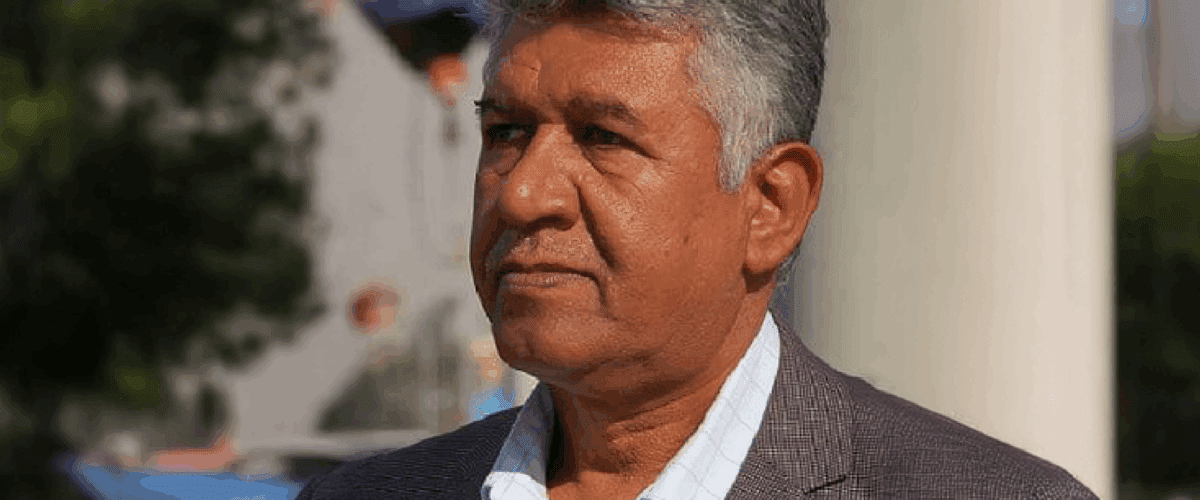
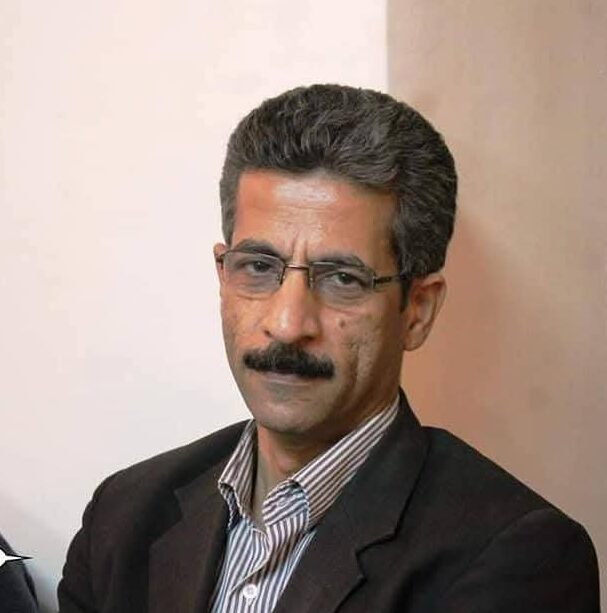
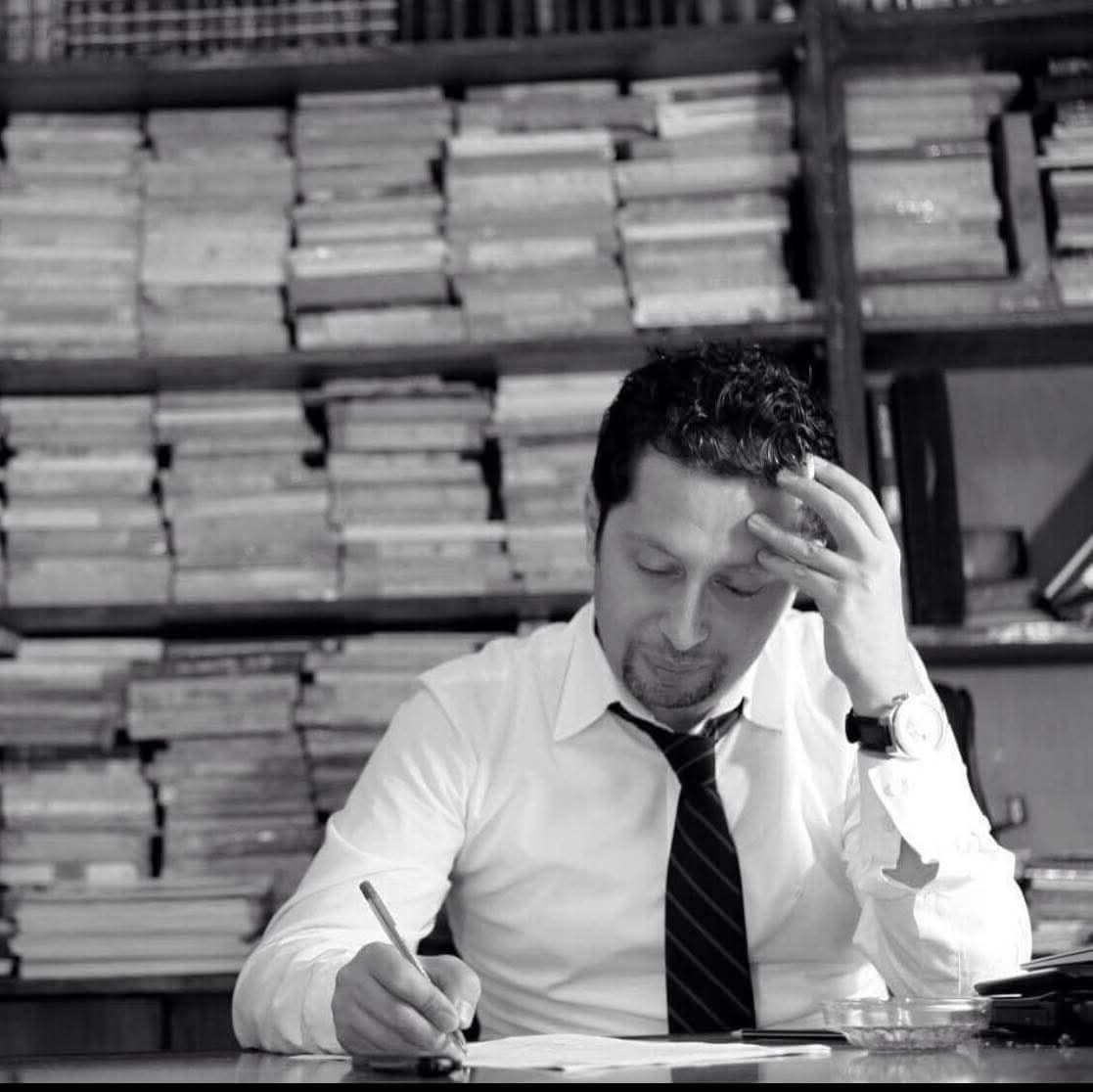
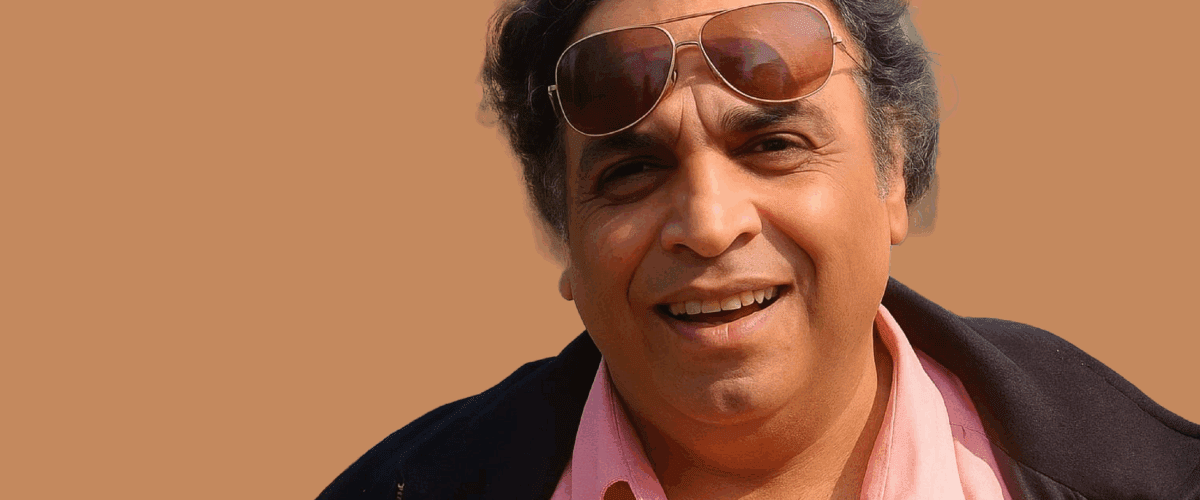
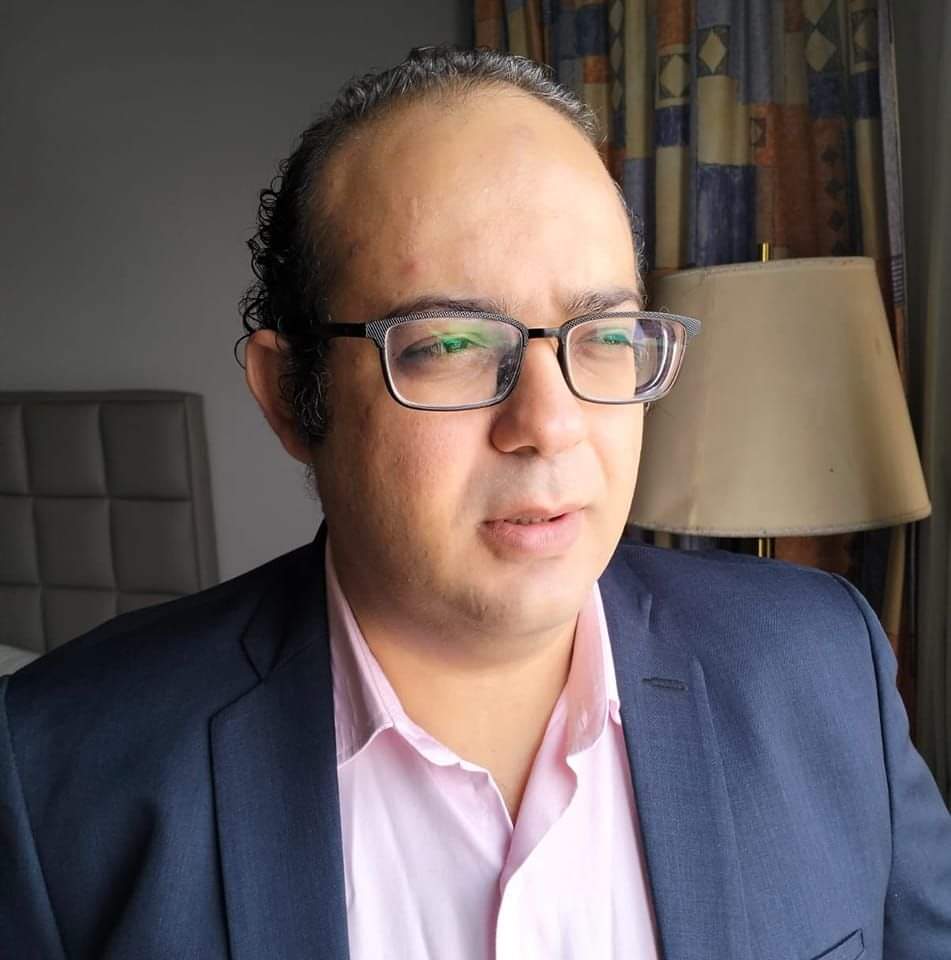
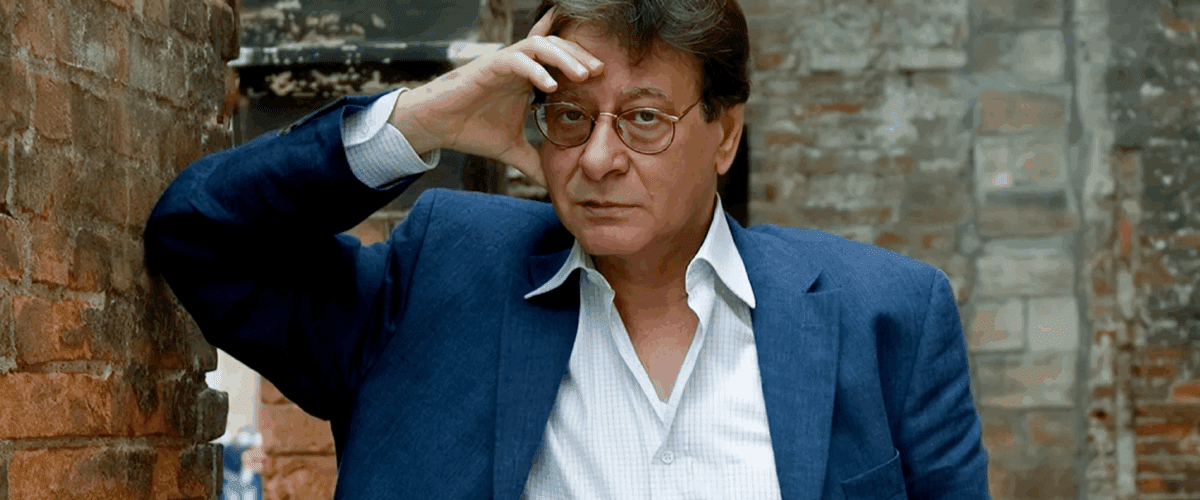
A single, swollen image of a bigger picture, every harvest would be if you used search engines in an attempt to identify the features of the Egyptian poet, Walid Munir, you would find no other one but this picture if the search of the communicators and the others were to be deeper. There is no page with his name, no special account, no identification files, and even artificial intelligence will merely provide an inadequate portable definition based on a handful of articles, news and scattered texts, the follow-up of his death in 2009, as well as the names of some of his books and addresses... that is all we will find on the Internet from a remarkable poet experience of the 1970s, with a unique experience.
Walid Munir left about ten dwights influencing the Egyptian poetry march, starting with,The shepherd who surprised the easy one.To follow his important work, like,And Niles is green in the eyes.” (1985)، و”Long-distance poems (1989)Some time for a little surprise. (1994), andThat's my blood. That's my horn.And...Hand circuit.And..."One guitar and more than a player."And...Old taste of dreamAnd...Like a parachute with a flashlight."End of his last religion "The spirit plays music"A long-distance, quantitatively and qualitatively, poetry and academic career in Denyallah was only 52 years between his birth in 1957 and his death in 2009, after suffering with liver disease.
What if we add to this outstanding poetry balance of Walid Munir, as shown even by his doughnut, his cash balance of books, articles and research, that is an addition to his plays, he is one of the few who have committed theatre art between his generations.
So why didn't Walid Munir get his reputation among his peers?
A poet who's good at curtains.
Walid Munir used to hide, and on his own will, he was not the son of the noise and was not only present in their bodies, so the lens did not take his picture, neither the media and press followers published his name, but rather that a fantasy was needed to protect him from the noise at a time when everything was forced.
Walid bet on his hair, books and research, and that his talent will only guarantee his dignity, spread his hair and his work through magazines and periodicals and go to his condition, write and sickness. Old taste of the dream:
In the last bet on talent,
He'll jump over the dams. My horse.
To land in the good fall.
You'll write about the genius of my soul, the cloud.
And the bottles will explain the relationship between the poem and the experiment.
Tomorrow when the books fall.
When you rewrite her breath and the chance to catch him,
I'm gonna take you for a little time on a trip around a blue bow.
And I tell you what you're talking about spilling my hand into the glass conscience.
And I'm driving you to the farest star behind the ranch.
'70s.
In the '70s, the poetry in Egypt, and the subsequent generations of poetry dispersed with meaning and building, we are only promised Walid Munir. A little time on a rainbow trip."Inflammation, dilemmas, engagements, discontent or humiliation of the hair audience, and wide words, are all things that our poet has, in a time that the writers have ruled, not writers, and the difference between them is great.
Despite Walid Munir Balatar and Hair and the uninhabited new exploration of the lands of Al-Khalidah, he was not as described by his seventy-year term Muhammad Suleiman. "a loud poet who is in love with the traditions or coups that are aimed at excitement and attention, has affected calm, meditation, experience, embrace and crystallization.".
He knew his time wouldn't approve of him and he wouldn't guarantee his seat, so he bet on tomorrow he wouldn't give us any more. "The talk you spilled his hand in the Holy Spirit."Is this tomorrow where Walid Kenz is pleased to open, allows some lights to be given, has set the barricades and has not allowed anyone to approach, which he said:
"No one's right.
To see a treasure room.
I'm opening it.
Whenever I want to.
And give it from the sea sky.
It's a body spirit."
Rather, it did not come tomorrow where newborn hair will be extinguished in our hands, and if the lightning begins, it waves with the birth of a more tolerant hair generation that responds to all poetic forms, the new generation no longer fills with rigour and artificial defence around a form that I think is replaced only by the oldest generations of poets. Mostly my poetic tolerance passes through forms.
The former generations, who took control of the poetry scene in Egypt, Walid Munir, were held accountable for his activist activism, so they didn't exactly read it because he rather did not write the poem, as they had set, most generally. Otherwise, why didn't we see from among the generations of the 1980s and the pharmacies in Egypt who wrote about Walid Munir's hair?
Weird didn't get close.
"Wald Munir is a seven-year-old poet, yes, born among the poets of this generation, but if we come back for their glory, we would see our poet take a long side in this confusing time when two groups have shared."Voices And...Lighting."Blue the poetic light, and they fought their battles, rebels and ideologies, which later retreated from many of them.
My dream, Salem, Abdul Momen Ramadan and the other seventies, led the relentless, different and different experiences of this generation, as it provided for a coup d ' état on what the former had written from the pioneer generation, and they wanted to destroy the temple on the activation poem that they had departed from, in particular, the 60-stage poem and the slave of their own slave.
Against this backdrop, Walid Munir preferred to reintroduce in this text, the committed musical poem to pick up Hebron Ben Ahmed, to mobilize different new energy, to argue shape and to try to adopt its musical power in stimulating the language, seismicity and generating explosive poetry areas, which is not dry or merely a formal proposal or an unaccounted vacuum renewal attempt.
It's true that Walid solved his own dilemma, favoured the musical, even in his last cabinet, which he wrote in the shape of the poem, in which he was not removed from the legacy of music, name or form, but poet.Old taste of the dream." A vast cycle of meaning, the most recent real smooth coup within the operational poem, where it went to new and bright lands, rivers and seas, and perhaps even the furthest hairs of its generation, in ideas, intraction with poems.
I'll read Tagor again.
And I'm gonna love some people's ideas.
And I'll write about my old prophets.
And theories that have changed, and science will come.
That's enough to start now with two roses.
To restore my soul's friendship.
Because I'm imagining a knight, India and the kerosene.
He found out the golden number.
Who can shorten the universe's dialogue in a corn or a time.
And I'll meet Brahma.
And listen to Zoradst's words at sunset.
And eat in one dish with Buddha's...
That's how Walid Munir developed everywhere, lighter than the burdens some might have made of cases hiding behind her, so they might have found in the ambiguity looted and in the unwritten experiment, from accounting and asking, but a poet. "Walk with a flashlight." My father, unless the hair comes clearly and the issues are ripe, and he's got the mind. He didn't come as he says. "from the drunkenness of friends and drunks who wanted to go crazy.""He wanted to listen, shining, sniffing, touching and hearing sincerely the movement of the universe, listening to his soul, and challenging the deep void:
Toy like planets. Twenty-two years.
He threw his slice in the seas all.
And listen.
And a tattoo and a touch.
He didn't get close to it. This drink that friends proved.
The songs saw shrapnel.
And the baby's got masks.
And affection.
He saw them spin like a rose above the tables, completely dead.
But they're claiming they're giving up life.
As a pilot.ِ
The drunks who wanted him to go crazy.َ
And for the drunks who got high.
When they were almost a star.
You didn't still roll in his soul.
All those crap around him.ِ
All that comfort.
All these churches and puzzles?
And they're surprised that the boy wasn't still sane.
He challenges the deep void.َ
And he pays for mad dust...
And he sees us as the ambitions of his fantasies and his glasses about the hairs in which he is so unique, such as the fragmentation, the insanity, the obsession, the obsession, the obsession, and the use of the open text, which is unbelievable or the good engineering text, he has not made the sound of the newborn maner, in a time of reason. The other continent. Published in a magazine. «Creative.» February 1993:
But hail and blood were close to the clouds.
And they used to extort the legends of simple men, wide-lined.
And the dreams of good women, the soul collects flavors or sugar.
Benno Adam didn't know that the fire once came in the hands of the conqueror.
To light in the gods of the sorrows.
And throw their remains into the beach of Spain, slaves and naked.
He's a new god who inherits the world.
His nationals are selected from trade, military and marine avengers.
As much as I wanted to expand, we would like to acknowledge the efforts of Walid Munir al-Shari and fulfil his right as a critic of his great presence in monetary writing, and a balance of important studies at the top of his book on Salah Abdul Sabour: "The dramatic silver of sound."And a book.We criticize the combustion speech, And...The language and event controversy, And...The image of the prophet in the Arab poetry, And..."The exile journey in modern Arab poetry... The isolation of the place and the fallout of memory."and study it, Intersect circles. Research into the intersection of hair art with other arts."
So we'd like to visit the important playoff, with his playbook head. Amazing coronation party."but opportunities go on, and invitations won't stop to equate the experience of this fabulous poet, at least by reprinting or providing its work, so that new generations have the right to see this experience and greet the poet who did not have access but was caught on the same journey.
Stand on the sidewalk.
The sorrow of the station.
No lust for me to reach.
Get on the train.
The long train is like a arrow.
Get down the middle of the road.
Happy.
Happy.
Happy.
I walk in fields I don't know.
And he's fascinating in a door.
I don't promise her.
And talk rocks and legs...


 Portal