Abrasion.
poet, writer and interpreter
(BROAN WARING)
Brother... The war is over.
They took your tank to the iron smelter.
But your gun is still on the mountain.
And here comes the sand on your salad.
The peasant grows his field where I fell.
Because the trees you planted...
She died, too.
The mountain that you've robotized.
Don't spare him alive.
Enemies flow to the top.
And get off the face.
I saw you.
Every time.
Before your last fall.
The enemy takes your suit and your annulment.
And whatever you are, brother.
They were killing your body with bullets.
Even in your last death.
When the worm was falling out of your quarry,
And your big heart open.
They thought you were lying.
And you're still their nightmare.
Do it, brother. The war is over.
And there's the kids in the park.
And the balls you've been seeing.
From fire and metal,
I'm cold, and they're saving her.
In their feet.
Except the ball that fell near her.
That's the one that sent your body a shelf..
We're here in the village.
No war, no enemies.
A horizon of rare vibrations.
It just forms under our pillows.
We've forgotten some of our surgeons.
And we could feed some of our daggers.
Old.
But all we want.
That our dogs won't bark but a guest.
My mom's still in bed.
Talk about your height and your strong muscle.
It takes her a lot.
They didn't find shoes on your size.
She was asking me.
On which side did you sleep?
Scared me to tell her.
You haven't slept in seven years.
And the fragment that broke your ribs.
It was from a powerful gun.
And you left your whole life.
And I left the sun.
Strange on your names and dreams.
And I've been on my skin.
That's it.
And the distance between your life
And your death is six children.
*I'm sorry.
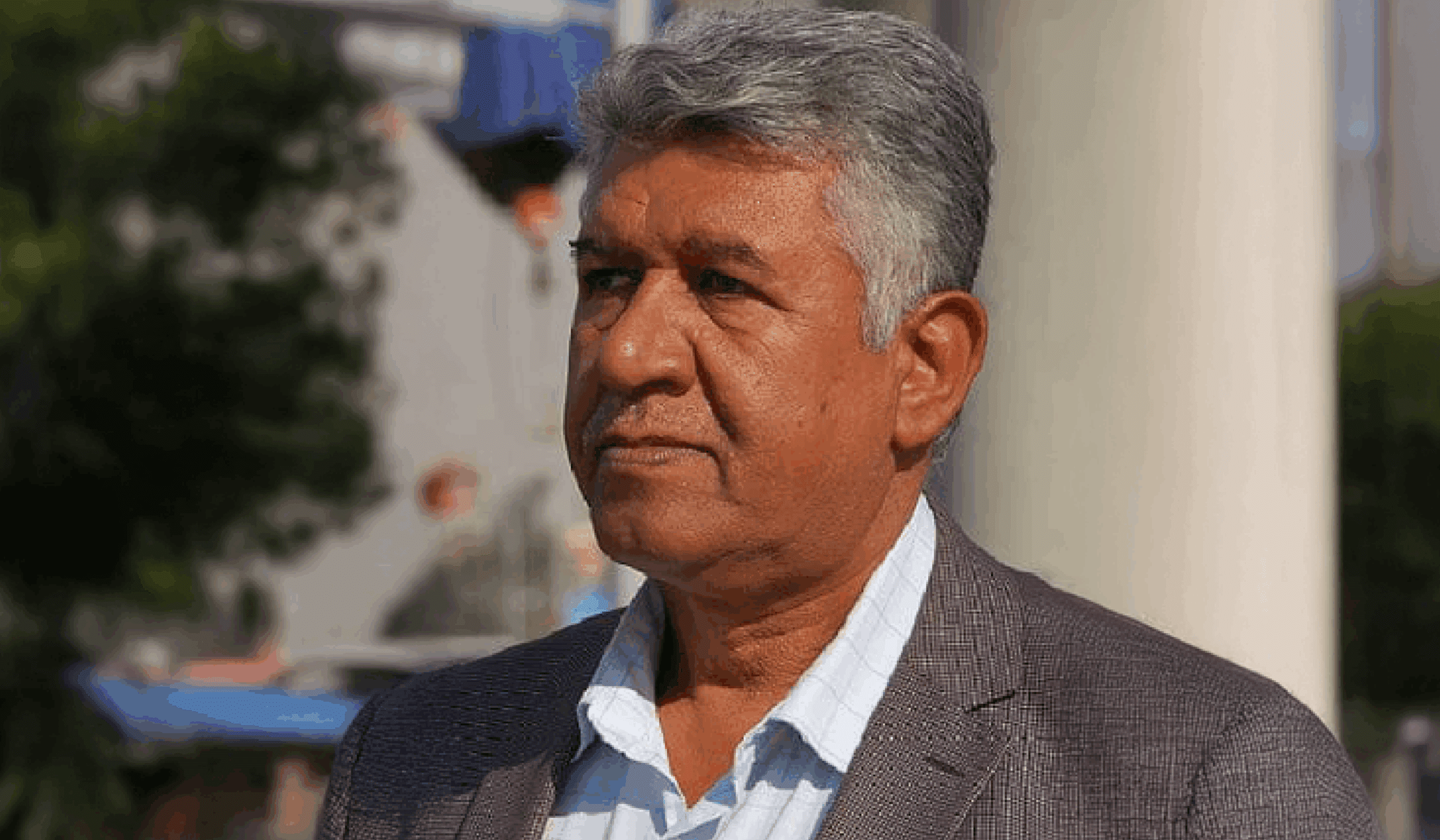
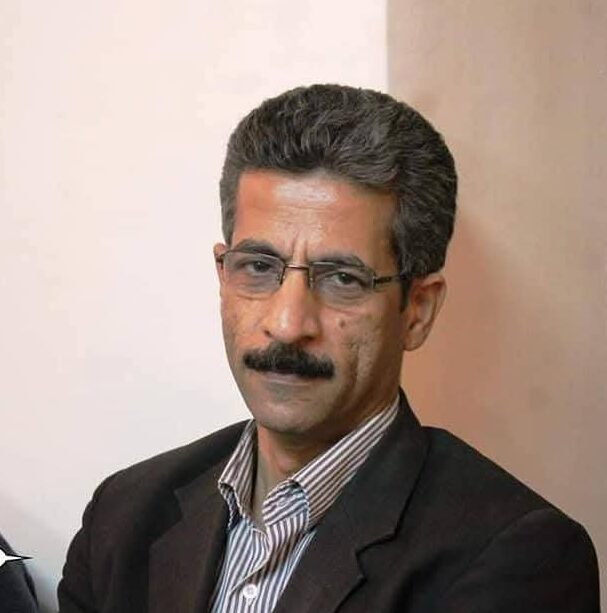
Student AbdelazizAn Iraqi poet working in hair, hair working for him, they both work hard to offer what's different to eye, hear, and other senses. "A color candy."
In 1993, he published his famous poem. (BROAN WARING)It is a legacy that he wrote when his brother quoted, and it made a sealed fusion in the audiences, that it was a form of polite against the idea of war, but in a roaming way, standing on the threshold of fear of the throne of the ruling regime, and the defamation that the poem was quoted. It is also one tongue of millions of communicators with their sons and brothers, which has made the poem spread as a blessed prayer, while the poem has not received monetary treatment that is commensurate with its importance when it comes out, as the inscription in its linguistic soil can lead the prospectors to find the poet ' s and those who are experimenting with the monetary analysis of the poem.
"It is indeed surprising that the poem has not been rejected by the sergeant that the State was putting in place to prevent the publication of anything that it deems incompatible with, although the poet strongly declares not only his rejection of the war, but his firm affirmation that this war was futile, and the indication of that is the title of the poem, as he wants to say that this war was my brother's war. So he lost his life because of her, while others came back to their normal lives because it wasn't their war, and that's a bitter irony that the poet even passed on the neck of print in that difficult and cruel era of Iraq's life."(1).
A poem. "My brother's war." It's deeply disastrous to carry her reading on a delicate journey through memory halls and the loss of war and the devastating effect on the breath, through a few arduous images, to reflect the deepest sorrow of his brother's departure, and despite the end of the war itself, the emotional effects of the war are the same.
The uniqueness of the poem is due to its excess of political or national affiliations; it is a rampant cry between different walls of cultures, in terms of addressing the trauma caused by violence and the sanctity of memory carried by lives, and the quiet devastation beyond the time of the alleged heroism.
The poem begins with an intel with a certain irony: Brother, the war is over.And that gives the advice of a sarcasm and arrogance to the waves, although the war may be over by definition of the geospace, it is not a time-control, but it's still pulse in memory and the remains of the bodies of the dead.
With the phrase They took your tank to the iron smelter. A deep indication of the dispossession of the tournament from its personal nature, the fact that the soldier's life, despite its appreciation, is ultimately reduced to a mere metal wreck, while the sentence says,But your gun is still on the mountain.With a symbolic reference to the abandonment of the task or duty which has not been completed, and may reflect the mountain ' s rejection of the violence generated by human beings, however, this abandonment itself remains inextricably linked to the devotion of the brother, deepening the meanings associated with sacrifice and human paradox.
Nature in the poem doesn't look negative or renovated; it's hurt and collusive. "And the sand has finally come to your salad, the crocodile is planting his field in which you fell, It suggests burial of the body and ideals by employing sand, which is a classic symbol of time and demise, heroism here swallows itself, and trees do the same. 'Cause the trees you planted, you died too, As a sign of the totality of the war against creatures.
Perhaps the most influential part of the poem lies in the disparity between the past that war and the post-war present, the children are now playing with what was previously death tools:
"and the balls you've been seeing from fire and metal,
I'm cold,
And they're throwing it in their feet."
This shift from weapons to games is both beautiful and terrifying, and it represents peace and steadfastness on the one hand, and on the other, reduces the brutality of war, seizing it to active beauty, breaking its slice in which it says.Except the ball you fell near, the one that turned your body around, In my hair description of death, borrowing the wings' job to describe the spirit's way to the sky.، While the mother represents the death scene, like the rest of the triangles, holding the memories and legends of her son: And it takes her so much that they didn't find shoes on your size..
I am proud of her son ' s uniqueness, and perhaps with the divine exception of being the artisanal and graphic martyr, bigger than the world, while re-importing the adjustment that the mothers who are eager to ask about the martyr as if they were alive: "She was asking me on any side you were sleeping، Scared me to tell her you haven't slept in seven years, This question and its conclusive response reflect the physical absence and an enduring peace that deprives both living and dead.
The poem's tone is lame, thin, bitter, and imaginative, with an earful of Arab poetic heritage, especially in repeating it, bringing it to the dead, blending it between natural images, body and passion, with no stringent rhythm or weight structure, reflecting the discomfortful state of the spokesperson, and sounding a precision.
This poem can be read in the context of any modern conflict - an Eastern European, Eastern European or African - but its strength lies in its universality, it does not call war, enemy or ideology, and this absence allows the poem to serve as a sign of history and trauma.
“My brother's war. A deep reflection of the remnants of violence and the value of sacrifices, and what makes this poem exceptional is to merge it between personal, political and rich, it doesn't add up to citation, but it doesn't heal it, it tends to make a human character to lose in a time that's often easier.
___________________
1 d. Bader Hassani's footsteps.